
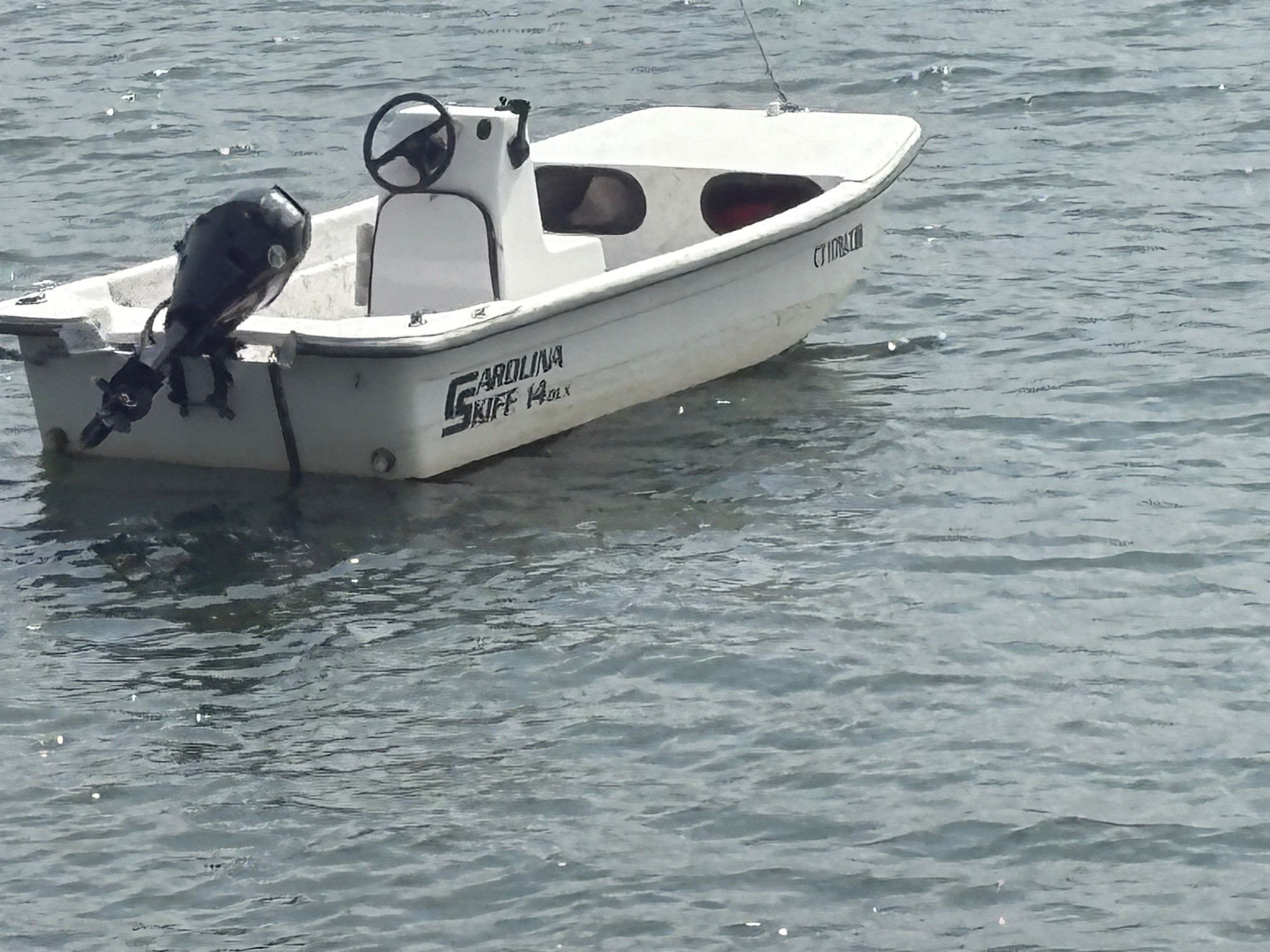
This is one of the all-time lines in the movies. Captain Quint, Police Chief Brody and Hooper are out looking for the Great White Shark in the movie Jaws. After the Great White attacks the Orca, Brody turns to Quint and says, “You’re gonna need a bigger boat.” What does this have to do with financial planning? Quite a bit.
A Bigger Boat
The Orca versus the Great White just was not a fair fight. Quint, ever the brave Captain, went down with his ship.
Trust me, you do not want to go down with your ship.
To get a bigger boat and have a fair fight with your financial plan, you will need to do some heavy lifting long before you set sail. We will not talk about 401(k)s, IRAs, and 529 College Savings Plans. We have done enough of that in the past. You are either taking advantage of these investment vehicles or you are not. If you are taking advantage of these plans, you have at least begun to think about your financial future and May the Odds Be Ever in Your Favor.
If you are not, do not look back, just get started. One area that many investors are going to find they need a bigger boat is in the area of medical care costs. Given the inflation in medical care costs over the past decade, it is difficult to see any end in sight. Medical care costs rose 3.2% in 2025. This type of inflation can make it very challenging for all investors, particularly retirees that use more medical care. 1)
What Makes for a Sturdier Boat in Your Financial Plan?
A bigger boat is great and in many cases it may be necessary. However, a sturdier boat would help the captain sleep much better at night. One way to have a sturdier boat is to have reserves. These reserves could be food, water, gas, batteries, flares and extra life preservers. You never know what may happen. Play it safe and go with the Boy Scouts Motto here.
Be prepared.
That preparation should also include having a backup strategy. In 3 Practical Reasons You Need a “Plan B”, I walk through why having contingencies in place can help protect your financial plan when the unexpected occurs.
With your financial plan, the first step for retirees is to have more than an adequate cash reserve. During your working years most commentators would suggest having a cash reserve fund of at least six months. Many investors, however, ignore this guideline and would typically have only two to three months of cash reserves.
I believe retirees should have at least two years of living expenses in cash reserves. Having this reserve, you will not be forced to sell positions from your investment portfolio if you needed cash. The cash reserve fund could be invested in a money market fund. The primary objectives are safety of principal and liquidity. Keep in mind that this is not about return on investment.
It is about return of investment.
The next step is to have adequate life boats in case something goes wrong. This means maintaining adequate life, property and casualty, and long-term care insurance. For folks that are still working they should also consider having appropriate disability insurance. Without having coverage, the Great White may wipe out your entire family’s boat.
Land Sharks
It is not just the Great White Shark you need to be concerned with. You also need to watch out for a very different kind of shark, the Land Shark. They do not look like sharks. You will not see a Hammerhead Shark walking down Main Street…quite the contrary. They tend to dress quite nicely, talk smoothly, and of course have that million dollar smile. The Land Shark’s calling card is the “Stock of the Week”, penny stocks, (trading for $5 or less), annuities that “do not cost anything” and numismatic coins.
His mission is different than the Great White. He is only looking to separate you from your money. This is often how investors get pulled into trends or products that sound too good to be true. In Why You Shouldn’t Chase the Latest Investment Fad, I discuss why discipline and skepticism are critical when evaluating these kinds of opportunities.
Even if you are successful with your voyage on the open ocean and avoiding the Great White Shark – be cautious.
Avoid Land Sharks at all costs.
They want to “help” you with your investments. Sure they do. That is not the type of help you need. Pack your shark repellent and use very liberally.
Are You Ready to Bring Your Ship Home in Retirement?
Hopefully you are not out on the open ocean on full shark alert. Either way, someday you will want to bring your ship in and put down an anchor. Lots of investor’s boats are heading to retirement.
If you are approaching retirement, it is important to think through how your income will be replaced and sustained over time. In my article, Life After Your Last Paycheck: Practical Steps for Retirement, I outline practical steps to help make that transition more predictable.
Roughly 11,200 Americans are turning age 65 each day during the Peak 65 period, based on research from the Retirement Income Institute (Alliance for Lifetime Income).
That is a big number. Are they ready for retirement? Some are and, unfortunately, some are not.
The Rolling Stones said, “Time is on my side.” I hope time is on your side. Pre-retirees still have time to right their ship. Get started now.
The challenge for retirees is to stay retired and not outlive your portfolio.
Someone who retires in their early 60s could live another 20-30 years in retirement. That is a long time. To complete the journey make sure you have a bigger and sturdier boat.
Do You Need a Bigger Boat for Your Financial Plan?
Not everyone needs a bigger boat—but most investors could benefit from a better one. A stronger financial plan is less about chasing returns and more about preparation. That includes having adequate cash reserves, managing healthcare costs, maintaining appropriate insurance coverage, and avoiding unnecessary risks. The goal is simple: build a plan that can handle uncertainty and help you stay on course over the long term.
Conclusion
While Jaws was an exciting blockbuster movie, your retirement plan should not be as nerve racking. Let us know if you need help “getting a bigger boat.” Please call Tom Scanlon at (860) 645-1515 or email thomas.scanlon@raymondjames.com.
This is original content written by Manchester, CT Financial Advisor Thomas F. Scanlon, CFP®, CPA (not currently practicing).
This article was originally published on July 21, 2025 and has been updated.
1) BLS.gov – January 21, 2026
The information contained in this report does not purport to be a complete description of the securities, markets or developments referred to in this material. The information has been obtained from sources considered to be reliable, but we do not guarantee that the foregoing material is accurate or complete. Any opinions are those of Thomas F. Scanlon, CPA, CFP® and not necessarily those of RJFS or Raymond James. Expressions of opinion are as of this date and subject to change.
You should discuss your tax and legal matters with the appropriate professional. Any information is not a complete summary or statement of all available data necessary for making an investment decision and does not constitute a recommendation.